Your Polyethylene glycol in food images are ready in this website. Polyethylene glycol in food are a topic that is being searched for and liked by netizens today. You can Download the Polyethylene glycol in food files here. Find and Download all free images.
If you’re looking for polyethylene glycol in food pictures information connected with to the polyethylene glycol in food topic, you have pay a visit to the ideal site. Our site frequently provides you with hints for refferencing the maximum quality video and image content, please kindly hunt and find more informative video content and graphics that fit your interests.
Polyethylene Glycol In Food. Polysorbate 80 is used as an excipient in many drugs including some vaccines such as influenza and as a food additive and is thus widely tolerated. In food the levels are considered pharmaceutical-grade. Applications of Polyethylene Glycol. We present 5 cases of confirmed PEG allergy which to our knowledge is the largest case series to date.
 Are Over The Counter Medicines Making You Sick Food Babe Food Babe Sick Food Health And Nutrition From es.pinterest.com
The Food and Drug Administration FDA in a toxicological profile has deemed propylene glycol as. These are non. Polyethylene glycol PEG or macrogol is a polyether compound. These lesions were not. In food the levels are considered pharmaceutical-grade. The raw materials used to produce polyethylene glycol are by-products from petroleum refining and can also be derived from natural gas or coal.
Different types of macrogol exist according to their molecular weight from 300 gmol to 10000000 gmol 2.
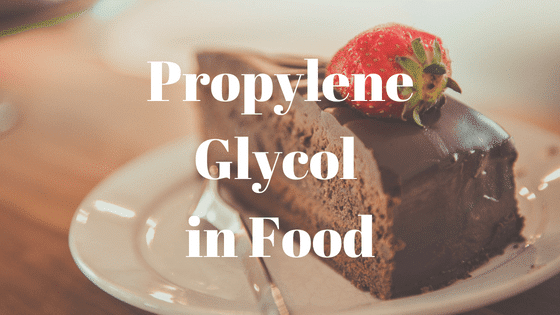
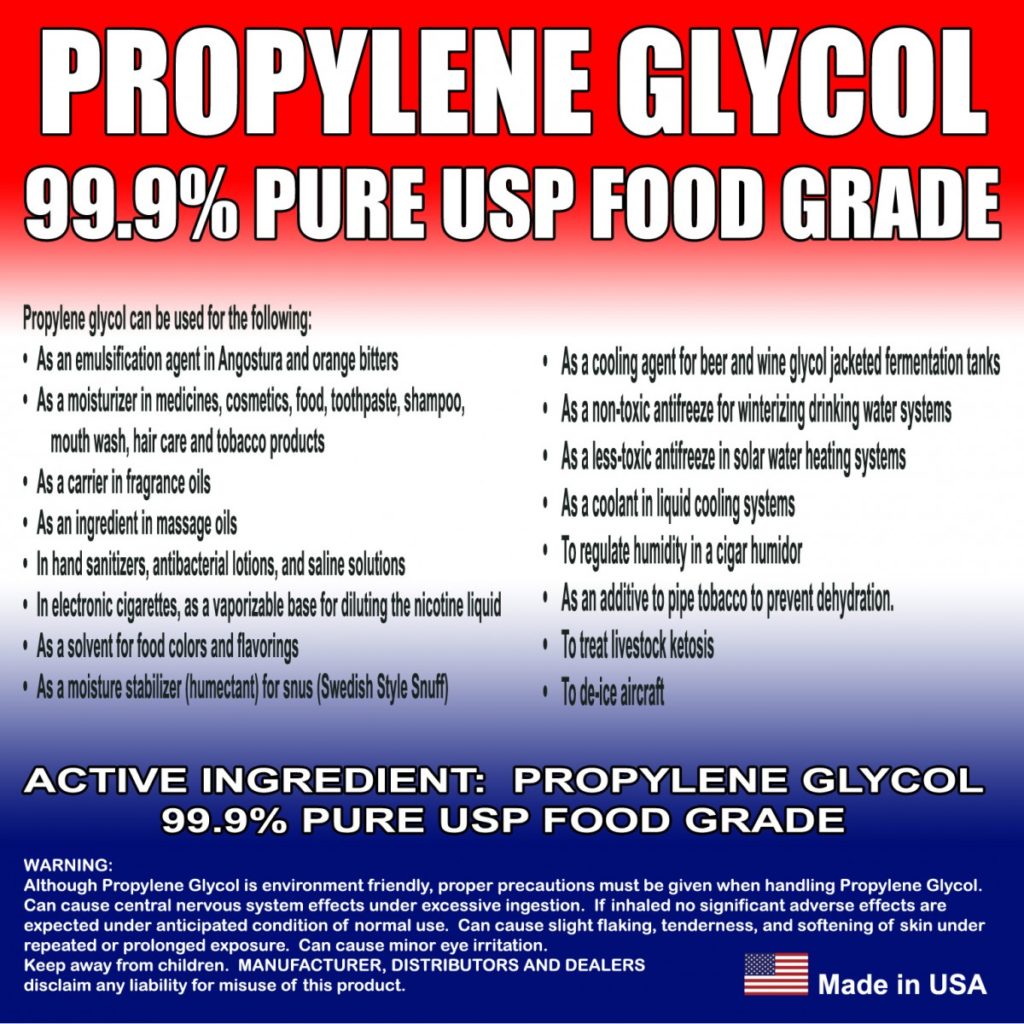
The Food and Drug Administration FDA in a toxicological profile has deemed propylene glycol as. Propylene glycol is found in industrial-grade levels in products like antifreeze polyurethane cushions paints and the like. To our knowledge this is the first demonstration that anaphylaxis to the PfizerBioNTech vaccine can be due to PEG allergy. Pre-made mass-distributed baked desserts such as brownies cakes and cupcakes may also contain this chemical. It can be found in ink-jet printers as a solvent and lubricant. Applications of Polyethylene Glycol.
 Source: ecolink.com
Polysorbate 80 is used as an excipient in many drugs including some vaccines such as influenza and as a food additive and is thus widely tolerated. In this research the years considered to estimate the market size of Polyethylene Glycol Adhesive. The low molecular weight polyethylene glycols are. The raw materials used to produce polyethylene glycol are by-products from petroleum refining and can also be derived from natural gas or coal. Different types of macrogol exist according to their molecular weight from 300 gmol to 10000000 gmol 2.
 Source: pinterest.com
Polyethylene glycol identified in this section may be safely used in food in accordance with. Should I avoid certain foods while taking POLYETHYLENE GLYCOL 3350. We present 5 cases of confirmed PEG allergy which to our knowledge is the largest case series to date. 172820 Polyethylene glycol mean molecular weight 200-9500. Currently polyethylene glycol E 1521 is an authorised food additive in the EU in three food categories.
 Source: madesafe.org
These are non. Polyethylene glycols are used as solvent and excipient in topical or systemic drugs as active principle of drugs in electrodes gels insect repulsives cosmetic and hygiene products cutting fluids glue and epoxy hardeners plasticizers. Some PEGs are also currently used as additives in organ preservation solutions before transplantation to limit the damage associated with cold. In this research the years considered to estimate the market size of Polyethylene Glycol Adhesive. They are used as thickeners softeners moisture-carrying agents penetration enhancers and surfactants.
 Source: pinterest.com
Should I avoid certain foods while taking POLYETHYLENE GLYCOL 3350. Polyethylene glycol identified in this section may be safely used in food in accordance with. According to Commission Regulation EU No 2312012 the maximum amount of. The raw materials used to produce polyethylene glycol are by-products from petroleum refining and can also be derived from natural gas or coal. In this research the years considered to estimate the market size of Polyethylene Glycol Adhesive.
 Source: researchgate.net
Currently polyethylene glycol E 1521 is an authorised food additive in the EU in three food categories. Polyethylene glycol PEG or macrogol is a polyether compound. Different types of macrogol exist according to their molecular weight from 300 gmol to 10000000 gmol 2. In food the levels are considered pharmaceutical-grade. It is widely used as an additive in pharmaceuticals cosmetics and food 1.
 Source: in.pinterest.com
Applications of Polyethylene Glycol. It is widely used as an additive in pharmaceuticals cosmetics and food 1. These are non. Pathological lesions were encountered only in monkeys and these consisted of intratubular deposition of small numbers of oxalate crystals in the renal cortex. In addition it is a filler in many brands of paintballs found across the nation.
 Source: iheartdogs.com
To our knowledge this is the first demonstration that anaphylaxis to the PfizerBioNTech vaccine can be due to PEG allergy. Different types of macrogol exist according to their molecular weight from 300 gmol to 10000000 gmol 2. Some PEGs are also currently used as additives in organ preservation solutions before transplantation to limit the damage associated with cold. The high quality polyethylene glycols are utilized in the form of dispersing agents solvents ointments in suppository bases and as laxatives in medical pharmaceuticals and cosmetics industries. In food the levels are considered pharmaceutical-grade.
 Source: pinterest.com
Promptly consult your doctor or pharmacist. Different types of macrogol exist according to their molecular weight from 300 gmol to 10000000 gmol 2. According to Commission Regulation EU No 2312012 the maximum amount of. We present 5 cases of confirmed PEG allergy which to our. Should I avoid certain foods while taking POLYETHYLENE GLYCOL 3350.
 Source: pinterest.com
They are used as thickeners softeners moisture-carrying agents penetration enhancers and surfactants. A change in your diet medicine or dosage may be necessary. In this research the years considered to estimate the market size of Polyethylene Glycol Adhesive. Propylene glycol is found in industrial-grade levels in products like antifreeze polyurethane cushions paints and the like. Polysorbate 80 is used as an excipient in many drugs including some vaccines such as influenza and as a food additive and is thus widely tolerated.
 Source: researchgate.net
Polyethylene glycols are used as solvent and excipient in topical or systemic drugs as active principle of drugs in electrodes gels insect repulsives cosmetic and hygiene products cutting fluids glue and epoxy hardeners plasticizers. They are used as thickeners softeners moisture-carrying agents penetration enhancers and surfactants. 59 is a nontoxic water-soluble fusogen which is approved by the FDA. A variety of products use polyethylene glycol to create durable and large soap bubbles for recreational use. Polyethylene glycol compounds are widespread in household products from skin care and cosmetics to baby wipes and cleaners.
 Source: pinterest.com
Currently polyethylene glycol E 1521 is an authorised food additive in the EU in three food categories. It can be found in ink-jet printers as a solvent and lubricant. 59 is a nontoxic water-soluble fusogen which is approved by the FDA. Four of the 5 cases developed anaphylaxis to. At quantum satis QS in the two food categories of table-top sweeteners and at 10000 mgkg in food supplements supplied in a solid form including capsules and tablets and similar forms excluding chewable forms only in capsule and tablet form.
 Source: pinterest.com
Polysorbate 80 is used as an excipient in many drugs including some vaccines such as influenza and as a food additive and is thus widely tolerated. The case had a large positive skin prick test to PEG 4000 and systemic reaction on skin prick testing confirming a. 59 is a nontoxic water-soluble fusogen which is approved by the FDA. Polyethylene glycols PEGs or macrogols are hydrophilic polymers found in everyday products such as foods cosmetics and medications. A variety of products use polyethylene glycol to create durable and large soap bubbles for recreational use.
 Source: pinterest.com
Polyethylene glycols are used as solvent and excipient in topical or systemic drugs as active principle of drugs in electrodes gels insect repulsives cosmetic and hygiene products cutting fluids glue and epoxy hardeners plasticizers. They can prevent foaming and therefore used in preparations where foaming is not required in food industry. Propylene glycol is found in industrial-grade levels in products like antifreeze polyurethane cushions paints and the like. Polyethylene glycols are used as solvent and excipient in topical or systemic drugs as active principle of drugs in electrodes gels insect repulsives cosmetic and hygiene products cutting fluids glue and epoxy hardeners plasticizers. Different types of macrogol exist according to their molecular weight from 300 gmol to 10000000 gmol 2.
 Source: pinterest.com
It is widely used as an additive in pharmaceuticals cosmetics and food 1. Monkey Polyethylene glycol 200 was administered orally to monkeys Macaca fascicularis and rats Sprague-Dawley for a 13-week period at dosage levels of 2 to 4 mlkg monkeys and 25 to 50 mlkg rats per day. Pathological lesions were encountered only in monkeys and these consisted of intratubular deposition of small numbers of oxalate crystals in the renal cortex. It can be found in ink-jet printers as a solvent and lubricant. The Food and Drug Administration FDA in a toxicological profile has deemed propylene glycol as.
Source: es.pinterest.com
Promptly consult your doctor or pharmacist. 59 is a nontoxic water-soluble fusogen which is approved by the FDA. Polyethylene glycols PEGs or macrogols are hydrophilic polymers found in everyday products such as foods cosmetics and medications. A variety of products use polyethylene glycol to create durable and large soap bubbles for recreational use. According to Commission Regulation EU No 2312012 the maximum amount of.
 Source: pinterest.com
172820 Polyethylene glycol mean molecular weight 200-9500. Some PEGs are also currently used as additives in organ preservation solutions before transplantation to limit the damage associated with cold. They are used as thickeners softeners moisture-carrying agents penetration enhancers and surfactants. Should I avoid certain foods while taking POLYETHYLENE GLYCOL 3350. 59 is a nontoxic water-soluble fusogen which is approved by the FDA.
 Source: pinterest.com
Polyethylene glycols PEGs or macrogols are hydrophilic polymers found in everyday products such as foods cosmetics and medications. Polyethylene glycols PEGs or macrogols are hydrophilic polymers found in everyday products such as foods cosmetics and medications. Medicine Cosmetics Others. Many foods and drinks also contain it as an anti-foaming agent. Pre-made mass-distributed baked desserts such as brownies cakes and cupcakes may also contain this chemical.
 Source: pinterest.com
According to Commission Regulation EU No 2312012 the maximum amount of. Monkey Polyethylene glycol 200 was administered orally to monkeys Macaca fascicularis and rats Sprague-Dawley for a 13-week period at dosage levels of 2 to 4 mlkg monkeys and 25 to 50 mlkg rats per day. Polyethylene glycols PEGs or macrogols are hydrophilic polymers found in everyday products such as foods cosmetics and medications. Polyethylene glycols PEGs or macrogols are hydrophilic polymers found in everyday products such as foods cosmetics and medications. Different types of macrogol exist according to their molecular weight from 300 gmol to 10000000 gmol 2.
This site is an open community for users to submit their favorite wallpapers on the internet, all images or pictures in this website are for personal wallpaper use only, it is stricly prohibited to use this wallpaper for commercial purposes, if you are the author and find this image is shared without your permission, please kindly raise a DMCA report to Us.
If you find this site good, please support us by sharing this posts to your favorite social media accounts like Facebook, Instagram and so on or you can also save this blog page with the title polyethylene glycol in food by using Ctrl + D for devices a laptop with a Windows operating system or Command + D for laptops with an Apple operating system. If you use a smartphone, you can also use the drawer menu of the browser you are using. Whether it’s a Windows, Mac, iOS or Android operating system, you will still be able to bookmark this website.


